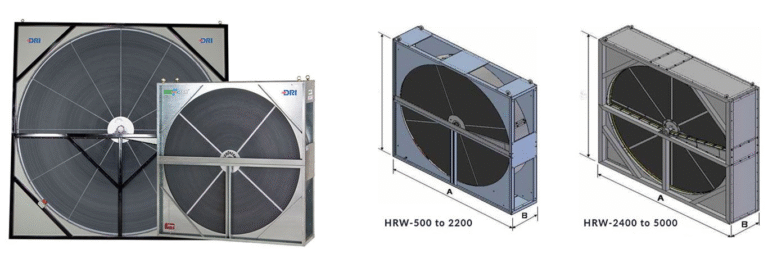
Modern HVAC systems are expected to deliver better indoor air quality, improved energy efficiency, and reduced operational costs. As commercial and industrial buildings continue to focus on sustainability, energy recovery technologies are becoming increasingly important. One of the most effective solutions for improving HVAC performance is the use of an enthalpy wheel. This technology helps recover both heat and moisture from exhaust air and transfers it to incoming fresh air.
Enthalpy wheels are widely used in energy recovery ventilation systems because they reduce the load on heating and cooling equipment. They also improve indoor comfort while supporting energy conservation goals. These systems are suitable for a wide range of commercial and industrial environments where ventilation efficiency and humidity control are critical.
Introduction to Energy Efficient HVAC Systems
Modern buildings require continuous ventilation to maintain indoor air quality and occupant comfort. Traditional ventilation systems often waste a large amount of conditioned air, resulting in higher energy consumption. HVAC systems must work harder to replace the lost heating or cooling energy, which increases operational costs.
Energy recovery technologies solve this challenge by transferring thermal energy from outgoing air to incoming fresh air. This process improves HVAC performance and reduces overall energy demand. Enthalpy wheels are among the most advanced energy recovery solutions available today.
Several factors are driving the demand for energy efficient HVAC systems:
- Rising energy costs
- Increased focus on sustainability
- Stricter environmental regulations
- Higher indoor air quality standards
- Demand for green building certifications
- Improved operational efficiency goals
These factors have made energy recovery systems an essential component of modern ventilation design.
What Is an Enthalpy Wheel
An enthalpy wheel is a rotary heat exchanger that transfers both sensible heat and latent heat between two air streams. Sensible heat refers to temperature transfer, while latent heat involves moisture transfer. This dual recovery capability helps maintain balanced indoor conditions while reducing heating and cooling loads.
The wheel rotates continuously between the supply and exhaust air streams. During rotation, the wheel absorbs heat and moisture from the outgoing air and transfers them to the incoming fresh air. This process significantly reduces energy waste within HVAC systems.
Key components of an enthalpy wheel system include:
- Rotary wheel media
- Drive motor assembly
- Supply and exhaust air channels
- Air seals and casing
- Control systems
- Ventilation integration components
The wheel media is specially designed to maximize thermal and moisture transfer efficiency. This technology allows HVAC systems to maintain better environmental control with lower energy consumption.
How Enthalpy Wheels Work in HVAC Systems
The operation of an enthalpy wheel is based on continuous heat exchange between outgoing and incoming air streams. As the wheel rotates through the exhaust air, it absorbs thermal energy and moisture. When the wheel moves into the incoming fresh air stream, it releases the stored energy and humidity.
This process helps reduce the amount of heating or cooling required to condition fresh air. During warmer conditions, the wheel can transfer unwanted heat and humidity out of the incoming air stream. In cooler conditions, it helps retain heat and moisture inside the building.
The heat exchange process provides several advantages:
- Reduced HVAC energy consumption
- Improved indoor humidity control
- Lower heating and cooling demand
- Enhanced ventilation efficiency
- Better indoor air quality
- Reduced operational costs
Rotary heat exchanger technology is highly effective because it continuously transfers energy without interrupting airflow. This allows ventilation systems to maintain stable performance while improving energy savings.
Benefits of Using Enthalpy Wheels
Enthalpy wheels provide multiple operational and environmental benefits for commercial and industrial HVAC systems. Their ability to recover both heat and moisture makes them more efficient than traditional ventilation systems that only transfer temperature.
One major benefit is improved energy efficiency. By recovering thermal energy from exhaust air, HVAC systems require less power to condition incoming air. This leads to lower electricity consumption and reduced utility costs.
Additional benefits include:
- Better humidity management
- Improved indoor comfort
- Reduced HVAC equipment load
- Lower carbon emissions
- Increased ventilation efficiency
- Support for sustainable building operations
Humidity control is particularly important in environments where indoor air conditions directly impact operational performance. Enthalpy wheels help maintain balanced moisture levels while improving overall air quality.
Facilities that require advanced moisture management may also integrate a desiccant dehumidification wheel into their HVAC systems. This technology further improves humidity control and supports stable indoor environmental conditions.
Applications of Enthalpy Wheels in Commercial and Industrial Buildings
Enthalpy wheels are widely used across different industries where ventilation efficiency and indoor air quality are important. These systems support energy conservation while maintaining consistent indoor environmental conditions.
Common applications include:
- Commercial office buildings
- Healthcare facilities
- Pharmaceutical manufacturing units
- Educational institutions
- Data centers
- Industrial manufacturing plants
- Warehousing and logistics facilities
Warehousing environments often require efficient airflow management and temperature control to improve operational efficiency. Many facilities also use advanced warehouse cooling solutions alongside energy recovery technologies to optimize cooling performance and reduce energy consumption.
Industrial environments benefit significantly from enthalpy wheels because these systems support continuous ventilation while minimizing thermal energy loss. This improves HVAC system reliability and long term operational efficiency.
Enthalpy Wheel vs Conventional Ventilation Systems
Conventional ventilation systems remove conditioned indoor air and replace it with untreated outdoor air. This process creates additional heating and cooling demand, which increases energy consumption and operational costs.
Enthalpy wheels improve this process by recovering energy from outgoing air before it leaves the building. The recovered heat and moisture are transferred to incoming fresh air, reducing HVAC workload.
The differences between enthalpy wheels and conventional systems include:
- Higher energy recovery efficiency
- Improved humidity management
- Lower HVAC operational costs
- Better indoor air quality
- Reduced environmental impact
- Enhanced ventilation performance
Traditional ventilation systems often struggle to maintain stable humidity levels during changing weather conditions. Enthalpy wheels provide more balanced indoor conditions while reducing the stress placed on heating and cooling equipment.
Over time, this improved efficiency contributes to lower maintenance requirements and extended HVAC equipment lifespan.
Factors to Consider When Choosing an Enthalpy Wheel
Selecting the right enthalpy wheel is essential for achieving optimal HVAC performance. Several technical and operational factors should be evaluated before installation.
Important considerations include:
- Thermal recovery efficiency
- Moisture transfer capability
- Airflow handling capacity
- Rotor durability
- Maintenance requirements
- HVAC system compatibility
- Long term operational reliability
The quality of wheel media directly affects heat and moisture transfer performance. Durable construction materials help maintain efficiency even under demanding operating conditions.
Facilities should also consider integration requirements when upgrading existing HVAC infrastructure. Proper system design ensures balanced airflow and consistent ventilation performance throughout the building.
Routine maintenance is another important factor. Well designed enthalpy wheel systems offer reliable long term performance with minimal operational disruption.
The Role of Enthalpy Wheels in Sustainable HVAC Design
Sustainable building design focuses on reducing energy consumption while improving environmental performance. HVAC systems are one of the largest energy consumers in commercial and industrial buildings, making energy recovery technologies essential for sustainability goals.
Enthalpy wheels support sustainable HVAC design by:
- Reducing energy waste
- Lowering greenhouse gas emissions
- Improving ventilation efficiency
- Supporting green building certifications
- Enhancing indoor environmental quality
- Lowering operational costs
As energy efficiency regulations continue to evolve, buildings are increasingly adopting advanced heat recovery systems to improve compliance and sustainability performance.
Enthalpy wheels also contribute to better ESG performance by reducing the environmental impact of HVAC operations. Their ability to recover both heat and moisture makes them an effective solution for long term energy conservation.
Why DRI Rotors Is a Trusted Provider of Enthalpy Wheels
DRI Rotors specializes in advanced HVAC energy recovery technologies designed to improve indoor air quality and ventilation efficiency. The company offers high performance enthalpy wheels engineered for commercial and industrial applications.
Their solutions are designed to provide:
- Efficient heat and moisture recovery
- Reliable HVAC performance
- Improved indoor air quality
- Energy efficient ventilation
- Sustainable HVAC operation
- Long term operational reliability
DRI Rotors combines advanced engineering with customized system design to help facilities improve HVAC efficiency and reduce energy costs. Organizations seeking energy recovery solutions can contact Desiccant Rotors International for technical support and product information.
Conclusion
Enthalpy wheels play an important role in improving HVAC energy efficiency and indoor air quality in commercial and industrial buildings. By recovering both heat and moisture from exhaust air, these systems reduce heating and cooling demand while maintaining balanced indoor environmental conditions.
Modern ventilation systems require advanced energy recovery technologies to meet sustainability goals and reduce operational costs. Enthalpy wheels provide an effective solution for improving ventilation performance, humidity control, and energy conservation. As industries continue to prioritize energy efficiency, enthalpy wheels will remain a valuable component of sustainable HVAC system design.
FAQs
1. What is an enthalpy wheel used for?
An enthalpy wheel is used in HVAC systems to recover heat and moisture from exhaust air and transfer it to incoming fresh air for improved energy efficiency.
2. How does an enthalpy wheel improve HVAC efficiency?
It reduces heating and cooling loads by recovering thermal energy and humidity, which lowers overall HVAC energy consumption.
3. What is the difference between sensible and latent heat recovery?
Sensible heat recovery transfers temperature, while latent heat recovery transfers moisture between air streams.
4. Where are enthalpy wheels commonly used?
They are commonly used in commercial buildings, healthcare facilities, industrial plants, warehouses, and data centers.
5. Why are enthalpy wheels important for sustainable buildings?
They reduce energy waste, lower carbon emissions, improve indoor air quality, and support energy efficient HVAC system performance.