Clogged pipes are a common household nuisance that can disrupt daily routines and cause frustration. Fortunately, many effective remedies exist right in your home, using simple ingredients and tools. These methods are not only cost-effective but also environmentally friendly, eliminating the need for harsh chemical cleaners. Understanding the causes of pipe clogs can help prevent future blockages and maintain smooth drainage in your kitchen and bathroom. Home remedies are especially useful for minor clogs caused by grease, hair, soap scum, or food particles.
By taking a proactive approach, you can avoid calling expensive plumbers and reduce the risk of damage to your plumbing system. Home remedies work best when the clog is fresh and not too severe. Many households have ingredients like baking soda, vinegar, and hot water readily available, which can be combined for powerful, natural cleaning solutions. These remedies also help maintain the overall hygiene of your pipes, preventing odor build-up and bacterial growth. With a few simple steps, homeowners can restore their drainage systems efficiently and safely.
Baking Soda and Vinegar Method
One of the most popular home remedies for clogged pipes is the baking soda and vinegar technique. Baking soda, a mild alkali, helps break down fatty acids and grime, while vinegar, a natural acid, reacts to produce a fizzing action that loosens debris. To use this method, pour half a cup of baking soda down the clogged drain, followed by half a cup of vinegar. Cover the drain with a plug or cloth to contain the reaction, and let it sit for 15 to 30 minutes.
After waiting, flush the drain with a kettle of boiling water to wash away loosened particles. This method is highly effective for kitchen sinks clogged with grease and food residues. Additionally, it is completely safe for both metal and PVC pipes, making it a versatile solution for most household plumbing. Regular use of baking soda and vinegar can also prevent clogs from forming by keeping pipes clean and free-flowing. This method is eco-friendly and avoids the harmful chemicals present in commercial drain cleaners.
Hot Water and Dish Soap
Hot water and dish soap can also serve as a simple yet effective remedy for clogged pipes. This method works particularly well for grease-related blockages. Begin by boiling a large pot of water and adding a generous amount of liquid dish soap. Pour the soapy water slowly down the clogged drain in stages, allowing the mixture to dissolve and break up the grease.
The heat of the water melts the greasy deposits while the soap acts as a lubricant, helping the clog move through the pipes. This method is best used as a preventive measure or for minor blockages. It’s a safe and inexpensive solution suitable for any household. Moreover, it is environmentally friendly, avoiding the introduction of corrosive chemicals into the plumbing system. Over time, using hot water and soap regularly can help maintain smooth water flow and reduce pipe odor.
Salt and Baking Soda Combination
Another effective home remedy involves combining salt with baking soda. Salt has abrasive properties that help scrub the interior walls of Hausmittel gegen verstopfte Rohre, while baking soda enhances the chemical reaction needed to dissolve organic matter. To apply this method, mix half a cup of salt with half a cup of baking soda and pour it down the clogged drain. Let the mixture sit for at least 30 minutes, or overnight for stubborn clogs.
After the waiting period, flush the drain with hot water to clear out debris. This technique is highly effective for bathroom sinks and showers clogged with hair and soap scum. It is safe for all types of pipes and reduces the risk of corrosion associated with chemical drain cleaners. Regular use of salt and baking soda can help maintain clean and odor-free drains, providing a cost-effective alternative to commercial solutions.
Plunger and Manual Techniques
Sometimes, physical methods like plunging are the most efficient approach to unclogging pipes. A plunger creates suction that dislodges blockages and restores water flow. To use a plunger, fill the sink or tub with enough water to cover the plunger cup, then position it over the drain and push down firmly, pulling up rapidly to create suction. Repeat several times until the clog is cleared.
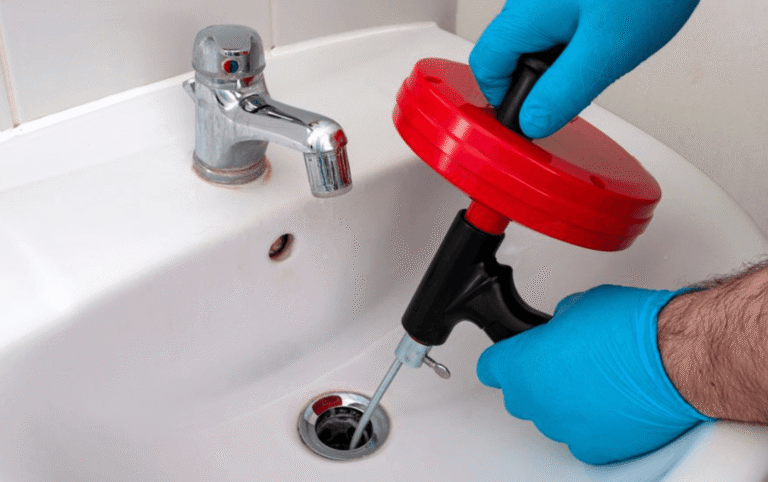
For stubborn blockages, using a drain snake or wire hanger can help reach and remove debris manually. These methods are especially useful when dealing with hair clogs in bathroom drains. Unlike chemical solutions, plunging and manual removal do not damage the pipes and are highly effective for immediate relief. Combining these physical methods with home remedies like baking soda or hot water ensures long-term results and cleaner plumbing.
Preventive Measures for Future Clogs
Preventing clogged pipes is often easier than dealing with existing blockages. Regular maintenance and mindful habits can keep your drains flowing smoothly. Avoid pouring grease, coffee grounds, or large food particles down the kitchen sink. Use strainers in sinks and showers to catch hair, soap, and debris before they enter the pipes.
Periodic flushing with hot water, vinegar, or baking soda helps maintain pipe hygiene and prevents buildup. Implementing these preventive measures reduces the likelihood of expensive plumbing repairs and ensures a clean, odor-free home. By combining home remedies with good maintenance practices, homeowners can enjoy smooth-flowing drains and minimize disruptions caused by clogged pipes. Prevention is always more cost-effective and efficient than waiting for severe blockages to occur.