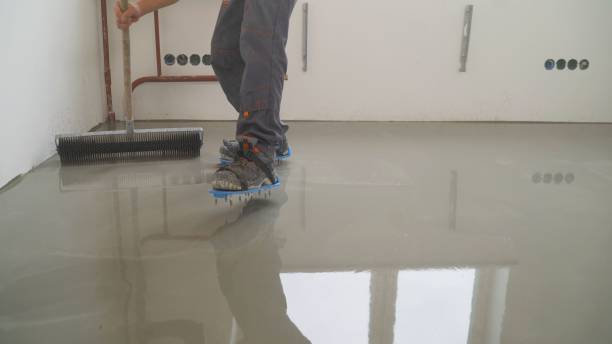
When it comes to improving the performance and longevity of concrete surfaces, densification plays a critical role. Modern flooring systems rely on advanced treatments that go beyond basic sealing, and densification is one of the most effective methods available today. Businesses and property owners seeking durable and low maintenance floors often turn to Allure Concrete Solutions Australia for professional services that enhance both strength and appearance.
Concrete densification is not just a surface level enhancement. It is a scientifically driven process that transforms the internal structure of concrete, making it stronger, more resilient, and easier to maintain over time.
Understanding Concrete Densification
Concrete densification involves the application of a chemical solution that reacts with the concrete to improve its density and hardness. This process is widely used in commercial, industrial, and polished concrete flooring systems.
What Is a Concrete Densifier
A concrete densifier is a liquid chemical solution typically made from silicates such as lithium, sodium, or potassium. When applied to a concrete surface, it penetrates deeply into the pores and reacts with free lime present in the concrete.
This reaction forms calcium silicate hydrate, which is the same compound responsible for the strength of cured concrete. As a result, the surface becomes denser and more durable.
Densifiers are not coatings. They do not sit on top of the surface but instead integrate into the concrete itself. This makes them a long term solution rather than a temporary treatment.
How the Chemical Process Works
The densification process begins when the chemical solution is applied evenly across the surface. The liquid seeps into the pores and reacts with calcium hydroxide, a byproduct of cement hydration.
This reaction produces additional calcium silicate hydrate, filling the microscopic voids within the concrete. As these voids are filled, the surface becomes harder and less porous.
Over time, this transformation improves resistance to wear, impact, and moisture. The result is a stronger and more refined concrete surface that performs well under heavy use.
Benefits of Concrete Densification
Densification offers several advantages that make it an essential treatment for modern flooring systems. These benefits extend beyond aesthetics and directly impact performance and longevity.
Increased Strength and Durability
One of the primary benefits of densification is the significant increase in surface hardness. By strengthening the internal structure, the concrete becomes more resistant to abrasion and heavy loads.
This is particularly important in environments where floors are exposed to constant foot traffic, machinery, or equipment. A densified floor maintains its integrity for longer periods without deterioration.
Additionally, the enhanced durability reduces the likelihood of cracks, chips, and surface damage. This contributes to a longer lifespan and fewer repairs over time.
Reduced Dusting and Maintenance
Untreated concrete surfaces often produce dust due to surface wear and breakdown. Densification eliminates this issue by binding loose particles and stabilizing the surface.
A dust free floor improves indoor air quality and creates a cleaner environment. This is especially beneficial in commercial and industrial settings where cleanliness is essential.
Maintenance also becomes easier after densification. The reduced porosity prevents dirt and contaminants from penetrating the surface, making cleaning more efficient and less time consuming.
For professional applications and long lasting results, consider expert concrete densification services designed to maximize floor performance.
When Should You Use Concrete Densification
Densification is suitable for a wide range of applications, but understanding when to use it ensures optimal results.
Suitable Environments and Surfaces
Concrete densification is ideal for commercial, industrial, and residential floors that require enhanced durability. It works well on new and existing concrete surfaces, provided they are properly prepared.
Common environments include warehouses, retail spaces, showrooms, and garages. These areas benefit from improved strength, reduced maintenance, and a cleaner appearance.
Densification is also effective for outdoor concrete surfaces where resistance to weather and wear is important. However, proper product selection and application are essential for outdoor use.
Role in Polished Concrete Systems
Densification is a key step in the polished concrete process. It prepares the surface for grinding and polishing by increasing hardness and improving consistency.
During polishing, the densified surface achieves a smoother and more reflective finish. This enhances both the aesthetic appeal and functional performance of the floor.
Without densification, polished concrete may not achieve the desired level of durability or shine. It is an integral component of high quality polished flooring systems.
Application Process of Concrete Densifiers
The effectiveness of densification depends on proper application techniques. Each step must be carried out carefully to ensure optimal results.
Surface Preparation Requirements
Before applying a densifier, the concrete surface must be thoroughly cleaned and prepared. This includes removing dirt, grease, coatings, and any existing sealers.
Grinding or mechanical preparation may be required to open the pores of the concrete. This allows the densifier to penetrate effectively and react with the internal structure.
Proper preparation ensures even absorption and consistent results across the entire surface. Skipping this step can lead to uneven performance and reduced effectiveness.
Application and Curing Process
Once the surface is prepared, the densifier is applied evenly using sprayers or rollers. The solution is spread across the surface and allowed to penetrate for a specified period.
During this time, the chemical reaction takes place, strengthening the concrete from within. Excess material is then removed to prevent residue buildup.
Curing time varies depending on the product and environmental conditions. After curing, the surface may be further polished or treated as needed.
Professional application ensures that the process is completed correctly and delivers long lasting benefits.
Common Misconceptions About Densification
Despite its effectiveness, there are several misconceptions surrounding concrete densification. Understanding these can help property owners make informed decisions.
Densifiers vs Sealers
One common misunderstanding is that densifiers and sealers are the same. In reality, they serve different purposes.
Densifiers penetrate the concrete and strengthen it internally, while sealers form a protective layer on the surface. Sealers may wear off over time, whereas densifiers provide permanent enhancement.
Both can be used together in some applications, but densification focuses on improving structural integrity rather than surface protection alone.
Longevity and Performance Expectations
Another misconception is that densification provides immediate results. While some improvements are noticeable quickly, the full benefits develop over time as the chemical reaction continues.
Densified concrete offers long term performance rather than short term enhancement. It is designed to improve durability, reduce maintenance, and extend the life of the floor.
Proper application and maintenance are essential to achieving the best results. Working with experienced professionals ensures that expectations are met and performance is maximized.
Conclusion
Concrete densification is a powerful solution for enhancing the strength, durability, and performance of concrete surfaces. By transforming the internal structure of the material, it provides long lasting benefits that go beyond surface level treatments.
From reducing dust and maintenance to improving resistance against wear and damage, densification is an essential step in modern flooring systems. Whether used as a standalone treatment or as part of a polished concrete process, it delivers reliable and consistent results.
For property owners and businesses looking to improve their flooring, investing in professional densification services ensures optimal performance and long term value. If you are considering upgrading your concrete surfaces, it is recommended to contact experts who can assess your needs and provide tailored solutions.
FAQs
1. What does concrete densification do to a floor
Concrete densification strengthens the internal structure of the floor by filling pores and increasing surface hardness, resulting in improved durability and reduced dusting.
2. How long does a concrete densifier last
A properly applied densifier provides permanent results as it becomes part of the concrete, unlike surface coatings that wear off over time.
3. Can densification be applied to old concrete
Yes, densification can be used on existing concrete surfaces as long as they are properly cleaned and prepared before application.
4. Is densification necessary for polished concrete
Yes, densification is a critical step in polished concrete systems as it enhances hardness and helps achieve a smooth and durable finish.
5. Does densification make concrete waterproof
Densification reduces porosity but does not make concrete completely waterproof. Additional treatments may be required for full water resistance.